
Apostilles | Notary | Translation
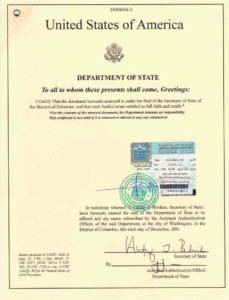
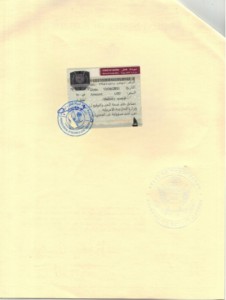
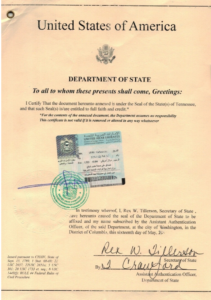
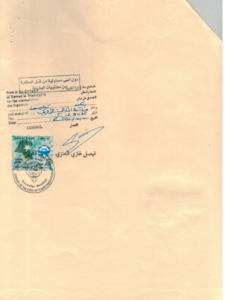
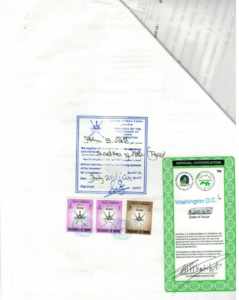
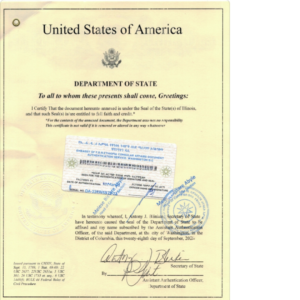
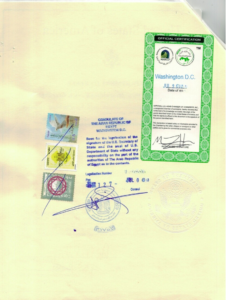
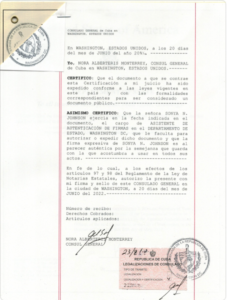
Embassy legalization is the process where a foreign embassy verifies the authenticity of a document issued in another country. This crucial step ensures that the document complies with the legal standards of the issuing country, making it valid for official use in the destination country.
To achieve embassy legalization, the document must pass through multiple levels of authentication:
Steps in the Embassy Legalization Process
Why Document Legalization is Necessary
Understanding Document Jurisdiction
When legalizing documents for use in a foreign country, it’s essential to understand the concept of document jurisdiction. The jurisdiction determines which consulate or embassy within the United States is responsible for processing the document based on its origin.
This means that the state where the document was issued dictates which consulate or embassy handles its legalization. Many foreign countries have multiple consulates across the U.S., each assigned to specific states or regions.
For example:
To ensure smooth processing, always verify the correct consulate or embassy for your document based on its state of origin. If you’re unsure, consulting with an expert or the consulate’s website can help clarify jurisdictional requirements.

We use cookies to improve your experience on our site. By using our site, you consent to cookies.
Websites store cookies to enhance functionality and personalise your experience. You can manage your preferences, but blocking some cookies may impact site performance and services.
Essential cookies enable basic functions and are necessary for the proper function of the website.
These cookies are needed for adding comments on this website.
Statistics cookies collect information anonymously. This information helps us understand how visitors use our website.
Google Analytics is a powerful tool that tracks and analyzes website traffic for informed marketing decisions.
Service URL: policies.google.com (opens in a new window)
Vimeo is a video hosting platform for high-quality content, ideal for creators and businesses to showcase their work.
Service URL: vimeo.com (opens in a new window)